
When it comes to protecting your family and securing your financial future, understanding the benefits of whole life insurance can make all the difference. Unlike term life insurance, whole life insurance offers coverage that lasts your entire lifetime—as long as you keep up with your premiums.
But what else makes it stand out? From guaranteed death benefits to cash value growth that you can use while you’re still alive, whole life insurance provides a unique blend of security and financial flexibility. If you want to discover how this type of policy can support your goals, protect your loved ones, and even grow your wealth, keep reading.
You’ll learn the key advantages that could change the way you think about life insurance forever.

Benefits Of Whole Life Insurance
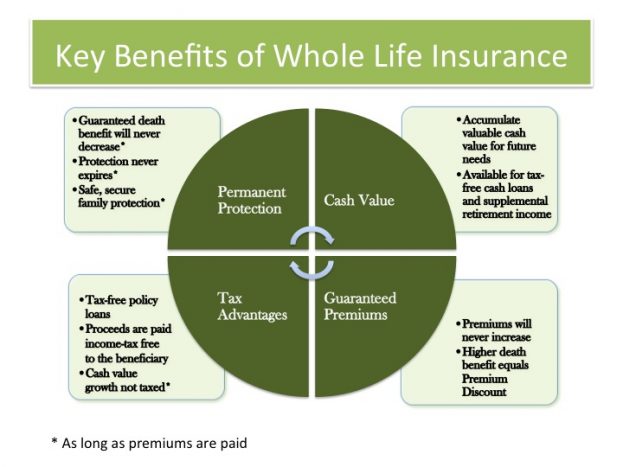
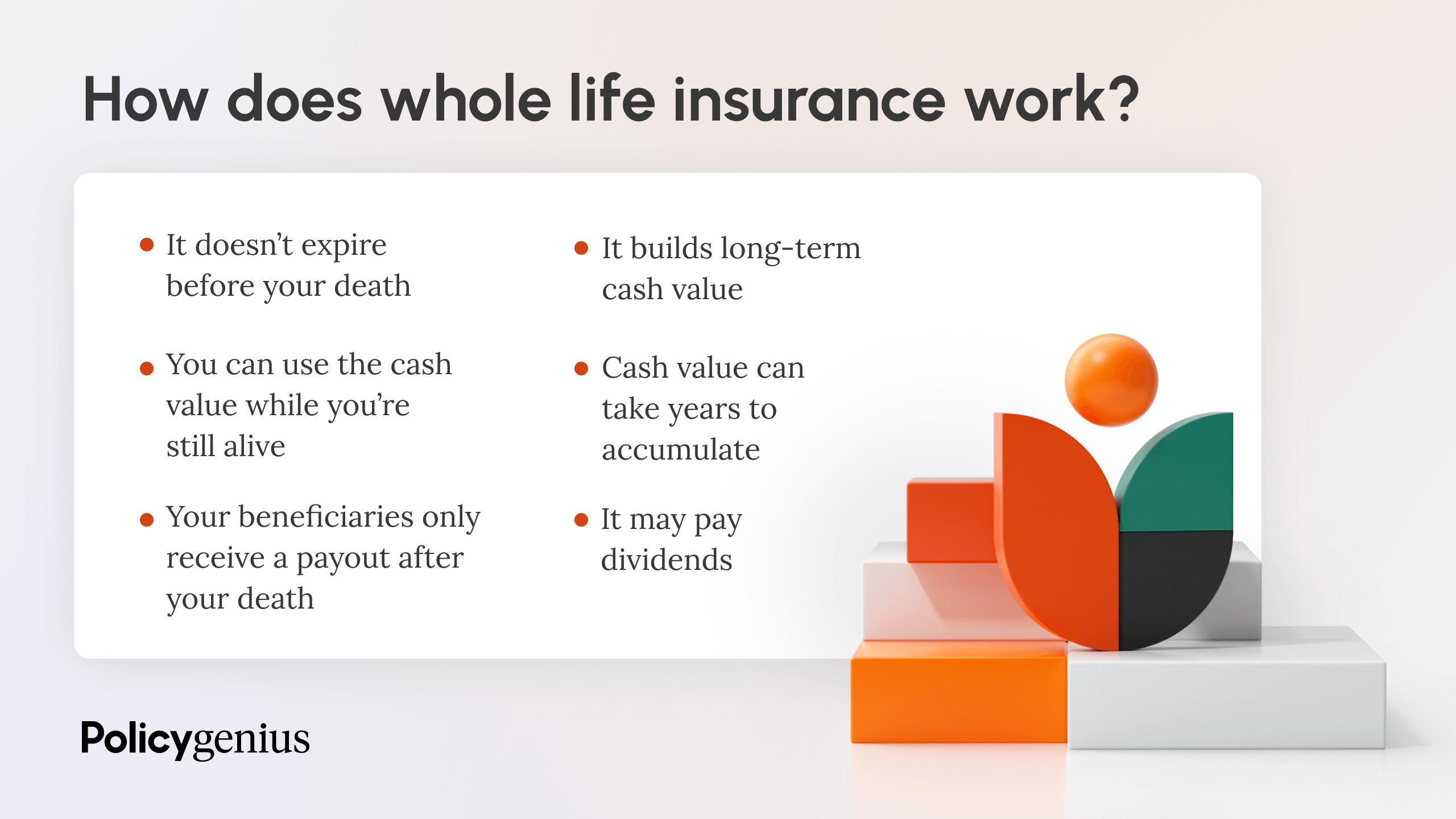
Whole life insurance offers lifelong coverage. It ensures your beneficiaries receive a death benefit whenever you pass away. This coverage does not expire as long as premiums are paid.
Fixed premiums mean your payments stay the same over time. This adds predictability to your budget. You won’t face surprise increases as you age.
The policy builds cash value that grows slowly but steadily. This cash value can be borrowed against or used in emergencies. It acts like a savings account inside your policy.
There are tax advantages. Cash value grows tax-deferred, so you don’t pay taxes each year on the growth. Loans against the policy are usually tax-free.
Some whole life policies pay dividends. These dividends can reduce your premiums, add to your cash value, or be taken as cash. Dividends are not guaranteed but often add value.
Cash Value Features
Cash value in whole life insurance grows tax-deferred. This means you do not pay taxes each year on the increase. The money grows quietly inside the policy, allowing it to build up over time.
You can access cash value by taking out a loan against your policy. These loans usually do not require credit checks and have low interest rates. The loan amount is deducted from the death benefit if not repaid.
Using cash value for emergencies is a smart option. It can help pay bills, cover medical costs, or handle other urgent needs without selling investments or using credit cards.
Financial Security And Wealth Transfer
Whole life insurance provides more than just a death benefit. It helps with legacy planning by allowing you to leave money to your family or favorite causes. This money passes outside of probate, making the process faster and private.
Final expense coverage is a key feature. It ensures that funeral and burial costs are paid without burdening your loved ones. This coverage gives peace of mind during difficult times.
Using whole life insurance for wealth transfer is efficient. The policy’s cash value grows over time, which can be used to pay premiums or borrowed against if needed. This helps protect assets and reduce taxes on your estate.
Comparing Whole Life To Term Insurance
Whole life insurance offers coverage for your entire life. Term insurance only covers a set number of years, like 10 or 20. Whole life builds cash value over time, which you can borrow against. Term insurance does not build cash value.
Whole life insurance premiums are usually higher than term insurance. Term insurance premiums stay low during the term but may rise if you renew. Whole life premiums stay the same for life, offering predictability.
Whole life insurance is better if you want long-term protection and a savings component. It can also be helpful for estate planning or leaving money to heirs. Term insurance suits those who need coverage for a short time or lower cost.
Potential Drawbacks To Consider
Higher premium costs make whole life insurance more expensive than term life insurance. These premiums stay the same for life but can be hard to afford for some people. Limited investment flexibility is another drawback. The cash value grows slowly and you cannot choose how it is invested. This may not suit those wanting more control over their money.
Surrender charges and fees apply if you cancel the policy early. These charges reduce the cash value you get back. They can last for many years, making it costly to stop the policy soon after buying it. Understanding these costs helps avoid surprises.
Choosing The Right Policy
Evaluating personal financial goals helps choose the best whole life insurance policy. Think about your long-term needs like retirement planning or leaving money for family. A good policy fits your budget and future plans.
Assessing provider reputation is important. Check customer reviews, financial strength, and claim payment history. Choose a company known for trustworthiness and good service.
Using quote comparison tools saves time and money. These tools show prices from many insurers side-by-side. Compare coverage, costs, and benefits to find the best deal.
Frequently Asked Questions
What Are The Main Benefits Of Whole Life Insurance?
Whole life insurance provides lifelong coverage with guaranteed death benefits. It builds cash value tax-deferred and allows tax-free loans. Premiums remain level, offering financial stability. This policy supports estate planning and wealth transfer effectively.
Will Life Insurance Pay Out For Cirrhosis?
Life insurance may pay out for cirrhosis if the policy is active and premiums are current. Pre-existing conditions might affect eligibility. Some policies exclude deaths related to alcohol or liver disease during the contestability period. Always review your policy terms and disclose health conditions honestly to avoid claim denial.
How Much A Month Is A $1,000,000 Whole Life Insurance Policy?
A $1,000,000 whole life insurance policy typically costs between $3,000 and $7,000 per month. Rates vary by age, health, and insurer.
Can A Person With Dementia Get Life Insurance?
Yes, a person with dementia can get life insurance, but options and rates vary based on health and insurer policies. Early application improves approval chances.
Conclusion
Whole life insurance provides lifelong financial protection and peace of mind. It builds cash value that grows tax-deferred over time. You can borrow against this cash value if needed. Premiums stay level, helping you budget easily. The death benefit guarantees support for your loved ones.
This policy suits those wanting stability and long-term security. Consider your needs carefully before choosing any insurance plan. Whole life insurance offers steady benefits that last a lifetime.
Read More
- International Health Insurance Policy: Essential Benefits Explained
- Best Policy Coverage Options: Ultimate Guide for Smart Protection
- Small Business Insurance Policy: Essential Coverage for Success
- Health Policy Deductible Guide: Essential Tips to Save More
- Life Policy Payout Rules: Essential Insights You Need to Know
- Term Life Policy Quotes: Find Affordable Rates Fast Today
- Short Term Health Insurance Plans: Affordable Coverage Made Easy
- Insurance Policy Renewal Discount: Maximize Savings Today!
- High Value Asset Insurance Policy: Protect Your Priceless Investments
- Cyber Liability Insurance Policy: Essential Protection for Your Business