When it comes to your health insurance, the word “deductible” can feel confusing and overwhelming. But understanding your deductible is key to managing your healthcare costs and making smart choices about your coverage.
This guide breaks down exactly what a health policy deductible is, how it works, and what it means for your wallet. By the time you finish reading, you’ll know how to spot the right deductible for your needs and avoid surprises when it’s time to pay for medical care.
Ready to take control of your health policy deductible? Let’s dive in.
Health Insurance Basics
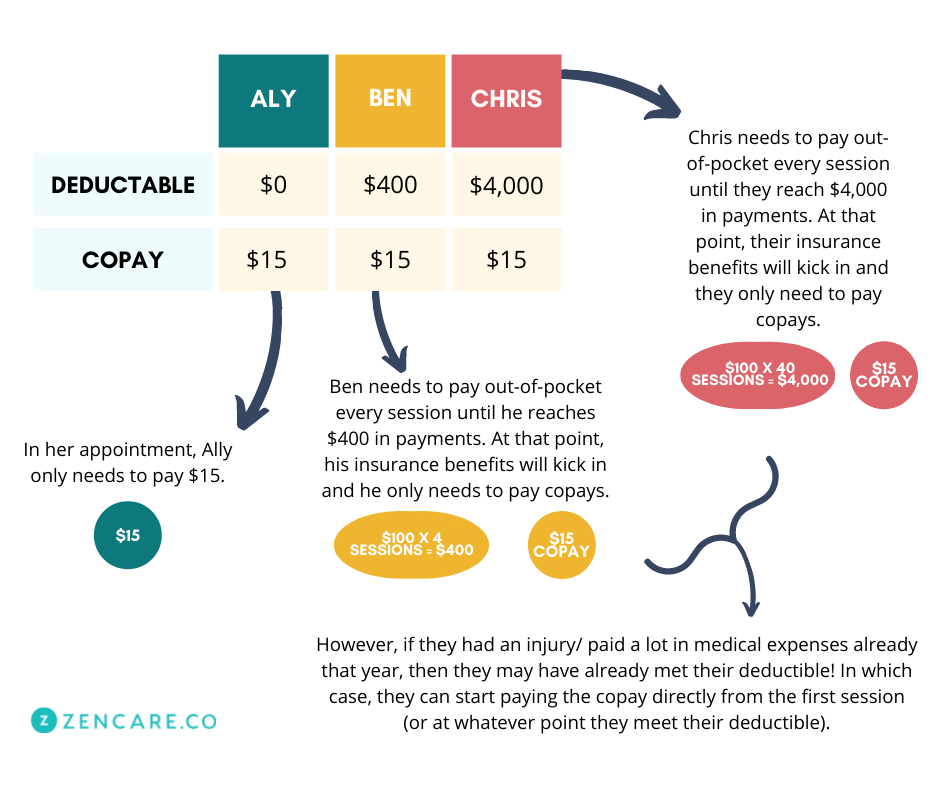
A deductible is the money you pay for healthcare before insurance helps. It resets every year. If your deductible is $1,000, you pay the first $1,000 of your medical bills. After that, insurance pays part of the costs.
Premiums are different. They are the money you pay every month just to have insurance. You pay premiums even if you don’t use your insurance. Deductibles only matter when you get medical care.
Coinsurance means you pay a percentage of the costs after meeting your deductible. For example, if coinsurance is 20%, you pay 20% and insurance pays 80%. Copays are fixed amounts you pay for visits or medicine, like $20 per doctor visit.

Types Of Deductibles
Individual deductibles apply to each person on the plan. Family deductibles cover the whole family. Once the family deductible is met, insurance pays for all members. Individual deductibles must be paid by each person before insurance helps.
Embedded deductibles mean each family member has their own deductible. If one person meets it, insurance starts paying for that person. Aggregate deductibles combine all family costs toward one total amount. The family pays until the aggregate deductible is met.
High Deductible Health Plans (HDHPs) have higher deductibles than regular plans. These plans often have lower monthly premiums. They work well with Health Savings Accounts (HSAs) to save money tax-free for medical expenses.
Choosing The Right Deductible
Assessing your healthcare needs helps choose the right deductible. Consider how often you visit doctors or need medicine. A higher deductible means lower monthly premiums but more costs before insurance helps. A lower deductible means higher premiums but less to pay at doctor visits.
Balancing premiums and out-of-pocket costs is key. If you rarely need care, a higher deductible might save money. If you visit doctors a lot, a lower deductible can reduce costs. Think about your health habits and how much risk you can handle.
| Factor | Effect on Deductible Choice |
|---|---|
| Age | Older adults may prefer lower deductibles for frequent care. |
| Income | Lower income might mean choosing lower deductibles for safety. |
| Health Status | Chronic conditions suggest lower deductibles to limit costs. |
| Risk Tolerance | Comfort with paying upfront costs affects deductible level. |
Saving Strategies
Health Savings Accounts (HSAs) let you save money tax-free for medical costs. Use HSAs to pay deductibles and other expenses, reducing your out-of-pocket spending. Contributions to HSAs lower your taxable income, which saves money yearly. Keep track of your HSA balance to avoid surprise costs.
Preventive care benefits often cost nothing with insurance plans. Regular check-ups, vaccines, and screenings can catch problems early. Using these services helps keep you healthy and can reduce overall medical bills.
Ask your healthcare provider if you can negotiate medical bills. Sometimes, providers offer discounts or payment plans. Being polite and clear about your budget can help lower your expenses. Always request an itemized bill to check for errors.
Common Mistakes To Avoid
Ignoring plan details can lead to unexpected costs. Always read the fine print carefully. Some plans have specific rules about what counts toward the deductible. Missing these details may cause surprise bills.
Underestimating healthcare expenses is a common mistake. Many people think they will spend less than they actually do. Medical visits, tests, and prescriptions add up quickly. Planning a budget helps avoid financial stress.
Overlooking network restrictions often causes higher costs. Insurance usually covers more for doctors and hospitals in the network. Going outside this network might mean paying full price. Check your plan’s network list before choosing providers.
Impact On Overall Healthcare Costs
Deductibles are the amounts you pay before insurance helps. Higher deductibles mean you pay more upfront but might have lower monthly premiums. Lower deductibles usually cost more each month but reduce your costs when you get care.
Claims are affected by deductibles because you pay all costs until the deductible is met. After that, insurance shares costs. This can delay when insurance starts paying for services.
Planning money for healthcare over time is important. A high deductible can lead to big bills early on. Choosing a plan with a deductible you can afford helps avoid surprises.
| Plan Type | Monthly Premium | Deductible | Out-of-Pocket Costs |
|---|---|---|---|
| Low Deductible | High | $500 | Lower when you need care |
| High Deductible | Low | $3,000 | Higher at first, less monthly |

Frequently Asked Questions
What Is A Health Insurance Deductible?
A health insurance deductible is the amount you pay out-of-pocket for healthcare before insurance covers costs. Once met, your plan starts sharing expenses, reducing your financial burden.
How Does A Deductible Affect My Healthcare Costs?
A higher deductible usually means lower premiums but higher initial costs. You pay more upfront before insurance helps, so choose based on your healthcare needs.
Can I Use Preventive Services Before Meeting My Deductible?
Yes, most health plans cover preventive services at no cost even before you meet your deductible. This includes vaccinations, screenings, and wellness visits.
How Do Deductibles Differ From Copayments And Coinsurance?
Deductibles are amounts paid before coverage starts. Copayments are fixed fees per visit. Coinsurance is a percentage of costs you share after the deductible.
Conclusion
Understanding your health policy deductible helps you manage medical costs better. Knowing the deductible amount guides your healthcare spending decisions. It reduces surprises when bills arrive. Review your plan details carefully to avoid unexpected expenses. Stay informed and choose the best option for your needs.
This knowledge supports smarter health and financial choices. Keep this guide handy for easy reference anytime. Your health and wallet will thank you.
Read More
- International Health Insurance Policy: Essential Benefits Explained
- Best Policy Coverage Options: Ultimate Guide for Smart Protection
- Small Business Insurance Policy: Essential Coverage for Success
- Life Policy Payout Rules: Essential Insights You Need to Know
- Term Life Policy Quotes: Find Affordable Rates Fast Today
- Short Term Health Insurance Plans: Affordable Coverage Made Easy
- Whole Life Insurance Benefits: Unlock Financial Security Today
- Insurance Policy Renewal Discount: Maximize Savings Today!
- High Value Asset Insurance Policy: Protect Your Priceless Investments
- Cyber Liability Insurance Policy: Essential Protection for Your Business