Imagine waking up one morning to find your business’s sensitive data stolen, your customers’ personal information exposed, and costly lawsuits on the horizon. How would you handle the financial fallout?
If this thought unsettles you, it’s time to consider a Cyber Liability Insurance Policy. This type of insurance is designed to protect your business from the growing risks of cyberattacks, data breaches, and online threats that can disrupt your operations and damage your reputation.
You’ll discover exactly what a cyber liability insurance policy covers, how much it might cost, and the simple steps you can take to secure your business’s digital future. Don’t wait until it’s too late—read on to learn how to safeguard your company against the unexpected.
Cyber Liability Insurance Basics
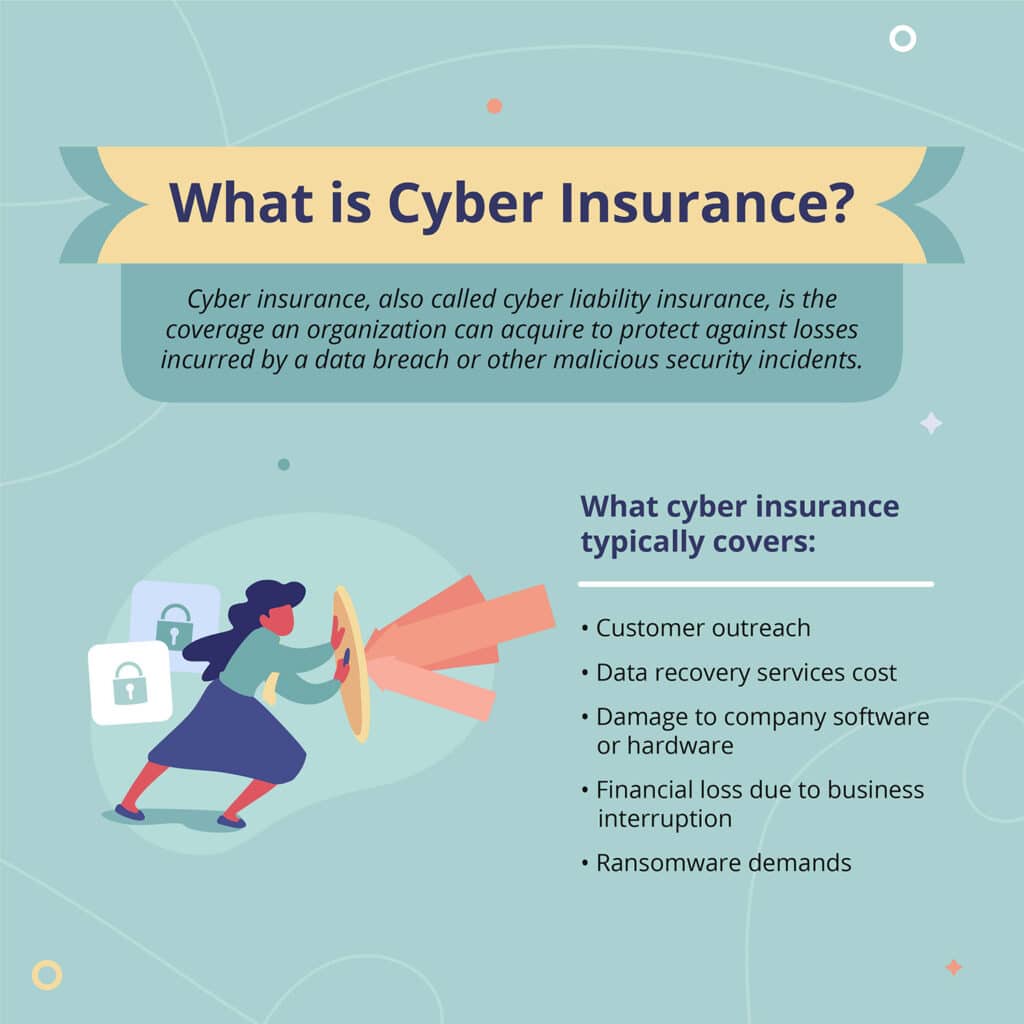
Cyber liability insurance protects businesses from online risks. It covers two main types: first-party and third-party coverage.
First-party coverage helps pay for your own costs after a cyber incident. These include:
- Data breach response: Paying for legal help, public announcements, and telling customers.
- Cyber extortion: Handling ransom demands or malware threats.
- Business interruption: Covering lost income if systems go down.
Third-party coverage covers costs if someone sues your business. This could be a customer or partner affected by a breach. It includes:
- Legal defense and lawyer fees.
- Settlements or court judgments.
Common Cyber Risks To Your Business
Data breaches expose sensitive information like customer details. This can harm your reputation and cause costly fines. Ransomware attacks lock your data until you pay a ransom. These attacks disrupt your business and cause financial loss.
Business interruption happens when systems go offline due to cyber incidents. This can stop operations and reduce income. Legal liabilities arise if your business is sued for not protecting data properly. Lawsuits and legal fees can be expensive and time-consuming.
Cost Factors And Coverage Limits
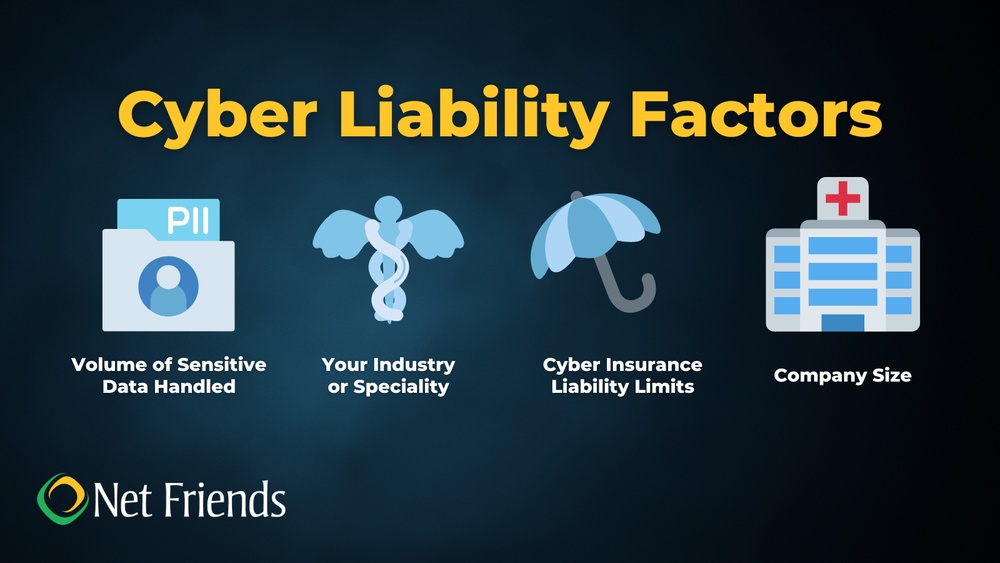
Pricing influences include the size of the business and industry type. Companies handling sensitive data pay higher premiums. Past cyber incidents also raise costs. The level of security measures in place affects pricing too. Policies with higher coverage limits cost more. Deductibles chosen by the business impact the price as well.
Typical coverage amounts vary widely. Small businesses often choose limits from $100,000 to $1 million. Medium to large companies may opt for $5 million or more. Coverage usually includes data breach costs, legal fees, and business interruption losses. Some policies cover cyber extortion and regulatory fines too.
| Business Size | Typical Coverage Amount | Common Cost Range (Annual) |
|---|---|---|
| Small | $100,000 – $1 million | $500 – $2,000 |
| Medium | $1 million – $5 million | $2,000 – $10,000 |
| Large | $5 million + | $10,000 and up |
Choosing The Right Policy
Major providers offer a range of cyber liability insurance policies. Well-known companies like The Hartford and Travelers provide reliable coverage options. These insurers have experience handling cyber risks for small and large businesses.
Tech-focused insurers specialize in cyber insurance for technology companies. They understand the unique risks and offer tailored policies. These insurers often provide extra support for data protection and incident response.
Evaluating security requirements is key to choosing the right policy. Assess your business’s current cyber defenses and risks. Consider coverage for data breaches, ransomware, and business interruption. Policies should match your company’s size and industry risks.
Application And Underwriting Process
Security audits are key to applying for cyber liability insurance. They check how well your business protects its data. Auditors look for weak spots in your systems. These include firewalls, passwords, and software updates. A good audit shows insurers you take security seriously. It may lower your insurance cost.
Required safeguards help reduce cyber risks. These safeguards include strong passwords, regular backups, and antivirus software. You must also train staff on cyber threats. Some insurers want multi-factor authentication on accounts. Firewalls and encryption protect sensitive information. Meeting these safeguards is often needed to get coverage.
Documentation needed includes proof of your security steps. This may be audit reports, system logs, or policies. Insurers want to see your response plan for cyber incidents. You might need to show past claims or breaches. Clear records speed up the underwriting process.
Filing Claims And Recovering Losses
Incident response support helps businesses act fast after a cyber attack. Experts guide through investigation and containment. They reduce damage and stop threats quickly.
Legal and financial assistance covers costs from lawsuits and fines. Lawyers help defend your business in court. Financial experts assist with claims and loss recovery.
Public relations management protects your company’s reputation. It handles communication with customers and media. Clear messages build trust and calm fears after incidents.
Cyber Liability For Small Businesses
Small businesses need customized cyber liability insurance to fit their unique risks. Plans offer affordable pricing so coverage is within budget. Many packages include risk management tools to help prevent attacks before they happen.
Coverage options often cover data breaches, ransomware, and legal costs. Policies may protect against lost income from business interruptions caused by cyber incidents. Some plans include support for public relations and customer notifications after a breach.
Risk management resources teach employees how to spot threats early. These resources reduce the chance of costly cyber events. Small firms gain peace of mind knowing their digital risks are addressed.
Frequently Asked Questions
What Is A Cyber Liability Insurance Policy?
A cyber liability insurance policy protects businesses from financial losses caused by data breaches, cyberattacks, and lawsuits. It covers legal fees, notification costs, ransom payments, and business interruption expenses. This insurance helps companies recover quickly from digital threats and reduce their financial risks.
Do You Need Cyber Liability Insurance?
Cyber liability insurance protects businesses from costs due to data breaches, ransomware, lawsuits, and cybercrime. It’s essential for digital risk coverage.
How Much Does Cyber Liability Insurance Cost?
Cyber liability insurance typically costs between $500 and $5,000 annually. Prices vary based on business size, industry, and coverage limits.
Who Provides Cyber Liability Insurance?
Major insurers like The Hartford, Travelers, and TechInsurance provide cyber liability insurance policies tailored to business needs. Licensed brokers also offer specialized coverage options.
Conclusion
Cyber liability insurance helps protect businesses from costly cyber threats. It covers expenses like data breaches, legal fees, and lost income. Choosing the right policy depends on your business needs and risks. Always review coverage limits carefully before buying. Regularly update your security to qualify for better rates.
Staying prepared reduces the impact of cyber incidents. Protect your business by understanding and using cyber liability insurance.
Read More
- International Health Insurance Policy: Essential Benefits Explained
- Best Policy Coverage Options: Ultimate Guide for Smart Protection
- Small Business Insurance Policy: Essential Coverage for Success
- Health Policy Deductible Guide: Essential Tips to Save More
- Life Policy Payout Rules: Essential Insights You Need to Know
- Term Life Policy Quotes: Find Affordable Rates Fast Today
- Short Term Health Insurance Plans: Affordable Coverage Made Easy
- Whole Life Insurance Benefits: Unlock Financial Security Today
- Insurance Policy Renewal Discount: Maximize Savings Today!
- High Value Asset Insurance Policy: Protect Your Priceless Investments