Are you between health insurance plans or need coverage fast? Short term health insurance plans might be exactly what you need.
These plans offer temporary protection so you don’t have to face unexpected medical bills alone. Whether you’re waiting for a new job’s benefits to kick in, dealing with a gap in coverage, or just want a safety net for a few months, short term health insurance can provide peace of mind without the long-term commitment.
Keep reading to discover how these plans work, what they cover, and how to find the best option for your situation. Your health and wallet will thank you!
What Are Short Term Health Insurance Plans
Short term health insurance plans provide temporary medical coverage for people without long-term insurance. These plans cover basic health needs like doctor visits, emergency care, and some hospital stays. They do not cover all health services, so they are not a full replacement for regular insurance.
These plans last from a few months up to one year. They help during gaps in insurance, such as between jobs or waiting for other coverage to start. People who are healthy and want affordable, short-term protection often choose these plans.
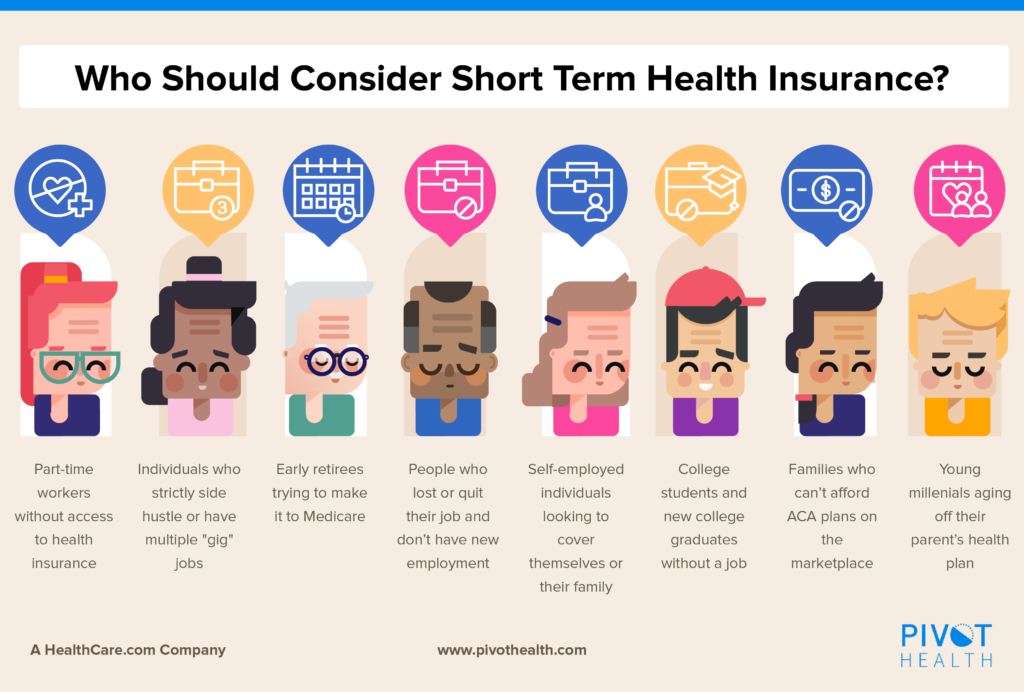
Who should consider short term plans?
- People between jobs or insurance plans
- Young adults who are healthy
- Those waiting for long-term coverage to begin
- Individuals needing quick, temporary protection
Benefits Of Short Term Health Insurance
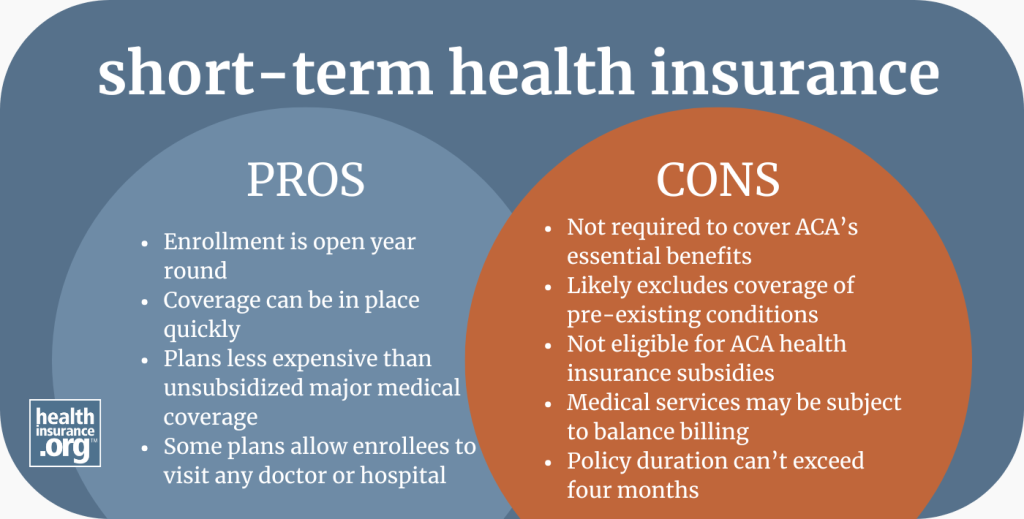
Affordable premiums make short term health insurance a smart choice. These plans cost less than regular insurance. They help save money while still giving basic health coverage. Many people find them easier to pay for each month.
The quick enrollment process allows you to get covered fast. Applications are simple and approval is often within days. This speed helps when you need insurance right away. No long waits or complicated steps.
Flexible coverage periods let you choose how long you want protection. Plans can last from a few weeks to several months. This helps fill gaps between jobs or other insurance plans. You only pay for the time you need.
Coverage Limits And Exclusions
Short term health insurance plans usually cover doctor visits, hospital stays, and emergency care. They also pay for some lab tests and prescriptions. These plans help protect against unexpected accidents or illnesses during a short period.
Common exclusions include pre-existing conditions, pregnancy, and mental health treatment. Plans often do not cover preventive care like vaccines or regular check-ups. Dental and vision care are usually not included either.
| What’s Typically Covered | Common Exclusions |
|---|---|
| Doctor visits | Pre-existing conditions |
| Hospital stays | Pregnancy care |
| Emergency care | Mental health treatments |
| Lab tests | Preventive care (vaccines) |
| Prescriptions | Dental and vision care |
How To Choose The Right Plan
Assessing your health needs helps find the best short-term plan. Think about your current health status and any upcoming medical visits. Check if you need coverage for prescriptions or specific treatments. Consider how often you visit a doctor or need emergency care. This will guide your choice.
Compare plan features carefully. Look at what each plan covers, such as doctor visits, hospital stays, and prescriptions. See if there are limits on coverage or waiting periods. Check if the plan includes preventive care or only emergencies.
| Cost Factor | What to Evaluate |
|---|---|
| Premiums | Monthly payment amount |
| Deductibles | Amount paid before coverage starts |
| Copayments & Coinsurance | Out-of-pocket costs for services |
| Coverage Limits | Maximum benefits paid by the plan |
Balance costs with benefits. A cheaper plan may have higher out-of-pocket costs. Choose a plan that fits your budget and health needs. Check if the plan offers value for the price you pay.
Short Term Health Insurance In Texas
Texas has specific rules for short term health insurance plans. These rules limit how long coverage can last, often up to 364 days. Extensions may be possible but are regulated. Some benefits may be excluded, like pre-existing conditions or preventive care. It is important to read the plan details carefully.
In Austin and other Texas cities, popular providers include UnitedHealthcare, Cigna, Moda Health, and Ambetter. These companies offer plans with varied prices and coverage options. Most plans cover emergencies, hospital stays, and doctor visits but may not cover all health services.
| Provider | Plan Duration | Coverage Highlights |
|---|---|---|
| UnitedHealthcare | Up to 364 days | Emergency, hospital, limited doctor visits |
| Cigna | Up to 364 days | Temporary medical coverage, excludes pre-existing conditions |
| Moda Health | Short term, renewable | Accidents, illness, emergency care |
| Ambetter | Limited months | Basic coverage for uninsured people |
Enrollment Tips And Tricks
Apply early to avoid gaps in coverage. Most plans allow enrollment within 30 days of losing previous insurance. Some providers accept applications year-round, but quicker submission means faster coverage.
Prepare your documents before applying. Commonly required items include a valid ID, proof of residence, and previous insurance details. Having these ready helps speed up the process.
| Required Documentation | Purpose |
|---|---|
| Government-issued ID (Driver’s license, Passport) | Verify identity and age |
| Proof of Residence (Utility bill, Lease agreement) | Confirm your address |
| Previous Insurance Information | Show coverage history and gaps |
| Social Security Number | For background and eligibility checks |
Common Misconceptions
Coverage confusion is common with short term health insurance plans. Many believe these plans cover all medical needs. They usually exclude pre-existing conditions and some essential health benefits. This means not all doctor visits or treatments are paid for.
Plan duration myths cause more misunderstanding. People think short term plans last as long as regular insurance. Most plans cover only 1 to 12 months. They are designed for temporary gaps, not long-term use. Renewal options may be limited or unavailable.
| Myth | Fact |
|---|---|
| Covers all health needs | Excludes pre-existing conditions and some treatments |
| Lasts as long as regular insurance | Typically covers 1 to 12 months only |
| Can be renewed indefinitely | Renewal options may be limited |
Alternatives To Short Term Plans
The Marketplace Insurance offers plans with more benefits than short term ones. These plans cover pre-existing conditions and offer preventive care. They also provide essential health benefits required by law. Marketplace plans have fixed enrollment periods and may offer subsidies to lower costs.
Medicaid helps people with low income get health coverage. It often covers doctor visits, hospital stays, and prescriptions. Each state has its own rules, so eligibility can vary. Other assistance programs may help with costs for those who qualify.
Real-life Scenarios For Use
Short term health insurance is useful for people between jobs. It provides temporary coverage when regular insurance ends and new insurance hasn’t started. This helps avoid high medical bills during a gap.
Many health plans have waiting periods before certain benefits begin. Short term plans can cover you during these times. They help with doctor visits, emergencies, and hospital stays, but usually do not cover all services.
This type of insurance is affordable and easy to get. It protects your health without long-term commitments. Perfect for those who need quick, temporary protection.

Future Trends In Short Term Coverage
Policy changes for short term health insurance are expected soon. Rules may become more flexible to help more people get coverage quickly. Some states might allow longer plan durations, offering better protection.
Market demand is shifting. More people want plans that cover emergencies without high costs. Younger adults and workers with changing jobs seek short term plans to fill insurance gaps. Insurers are creating simpler and cheaper options to meet this need.
Expect plans to focus on basic coverage with fast approval. Technology will play a big role in speeding up applications and claims. Mobile apps and online tools will make it easier to buy and use plans.
Frequently Asked Questions
What’s The Best Short-term Health Insurance?
The best short-term health insurance offers affordable, temporary coverage with flexible terms. Top providers include UnitedHealthcare, Cigna, and Moda Health. Choose plans covering emergencies and essential care. Ensure the policy fits your state’s regulations and personal health needs for optimal protection.
Is Parkinson’s Disease Covered By Health Insurance?
Health insurance often covers Parkinson’s disease treatments, including medications and therapies. Coverage depends on the specific plan and provider.
What Health Insurance Covers Zepbound?
Most major health insurance plans may cover Zepbound if prescribed. Coverage varies by provider and plan specifics. Confirm with your insurer.
Does Health Insurance Cover A Pacemaker?
Health insurance generally covers pacemakers, including implantation and related hospital care. Coverage depends on your specific plan and provider.
Conclusion
Short term health insurance plans can help cover gaps in coverage. They offer quick, temporary protection for unexpected health costs. These plans usually last a few months only. They are less expensive but cover fewer services than regular plans. Always check what the plan covers before buying.
Short term plans can be a good option during life changes. Choose a plan that fits your needs and budget. Stay informed and use these plans wisely for peace of mind.
Read More
- International Health Insurance Policy: Essential Benefits Explained
- Best Policy Coverage Options: Ultimate Guide for Smart Protection
- Small Business Insurance Policy: Essential Coverage for Success
- Health Policy Deductible Guide: Essential Tips to Save More
- Life Policy Payout Rules: Essential Insights You Need to Know
- Term Life Policy Quotes: Find Affordable Rates Fast Today
- Whole Life Insurance Benefits: Unlock Financial Security Today
- Insurance Policy Renewal Discount: Maximize Savings Today!
- High Value Asset Insurance Policy: Protect Your Priceless Investments
- Cyber Liability Insurance Policy: Essential Protection for Your Business