Choosing the best policy coverage options can feel overwhelming, but it doesn’t have to be. You want protection that fits your needs without paying for extras you don’t use.
Whether it’s car insurance, health coverage, or something else, the right policy can save you stress and money when it matters most. You’ll discover simple ways to find the coverage that truly works for you. Keep reading to learn how to make smart choices that protect your future and give you peace of mind.
Types Of Insurance Coverage
Liability insurance helps pay for damages you cause to others. It covers injuries and property damage. This insurance is usually required by law.
Comprehensive coverage protects your car from things like theft, fire, or weather damage. It covers many risks beyond crashes.
Collision coverage pays to fix your car after a crash with another vehicle or object. It helps with repair costs.
Uninsured and underinsured motorist protection covers your costs if the other driver has little or no insurance. It keeps you safe financially.
Personal injury protection (PIP) pays for your medical bills and lost wages after an accident. It can cover you and your passengers.
Gap insurance pays the difference if your car is totaled and you owe more than its value. It protects you from financial loss.
.jpg)
Choosing Coverage Levels
Every state has minimum insurance requirements. These rules set the lowest coverage you must have. Meeting these keeps you legal and avoids fines.
Full coverage offers more protection. It usually includes liability, collision, and comprehensive insurance. This protects your car, others, and your wallet if accidents or theft happen.
Choosing coverage means balancing cost and safety. Higher coverage costs more but gives better protection. Lower premiums save money but can leave gaps in coverage.
| Coverage Level | Benefits | Cost |
|---|---|---|
| Minimum State | Legal compliance, basic protection | Lowest |
| Full Coverage | Extensive protection for car and others | Higher |
| Balanced | Good protection, moderate cost | Medium |
Comparing Popular Providers
GEICO offers affordable rates and a user-friendly mobile app. Their coverage includes liability, collision, and comprehensive options. Discounts are available for safe drivers and multiple policies.
Progressive is known for its Snapshot program that tracks driving habits for savings. They provide broad coverage choices like uninsured motorist and gap insurance. Progressive also offers competitive rates for young drivers.
| Provider | Key Features | Discounts |
|---|---|---|
| Allstate | Accident forgiveness, new car replacement, roadside assistance | Safe driver, multi-policy, good student |
| State Farm | Personalized coverage, great customer service, broad agent network | Drive safe, good student, multiple cars |
Consumer Reports ranks providers on customer satisfaction, claims handling, and price. State Farm often scores high for service and claims. Allstate is praised for its coverage options and roadside help.
Factors Influencing Policy Choice
Vehicle type and value affect the policy choice. Expensive or new cars need more coverage. Older cars might need less.
Driving habits and location matter. Long commutes or city driving can raise risks. Safe driving and less travel can lower costs.
| Discounts and Bundling | Customer Service and Claims Support |
|---|---|
|
|
Health And Life Insurance Options
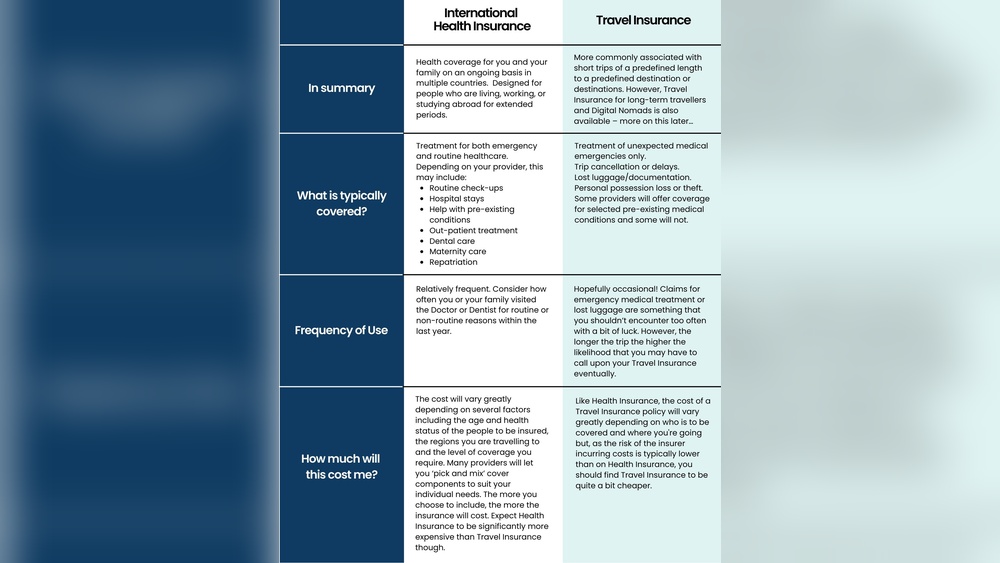
Health insurance plans help pay doctor visits, hospital stays, and medicine costs. They often cover regular check-ups and emergency care. Plans vary by how much they pay and what services they cover.
Life and critical illness coverage provide money to loved ones after death or serious illness. These policies support families during tough times and help cover medical bills or lost income.
Dental and vision benefits cover routine care like cleanings, fillings, eye exams, and glasses. These benefits keep teeth and eyes healthy and reduce out-of-pocket costs.
Accident and hospital indemnity insurance pays a fixed amount if you get hurt or need hospital care. It helps with bills that regular health insurance might not cover.
Smart Shopping Tips
Comparison tools help you see many policy options in one place. They save time and show real price differences. Use these tools to find accurate quotes that fit your needs. Enter the same information on each site for fair results.
Quotes must be clear and detailed. Check what is covered and what is not. Look for deductibles, limits, and exclusions. These affect your out-of-pocket costs.
Understanding policy terms is key. Words like premium, deductible, and coverage limit matter. Ask questions or read the fine print carefully. This helps avoid surprises later.
Review and update your coverage regularly. Life changes like new cars or homes need new policies. Keeping your coverage current protects your finances and property.
Frequently Asked Questions
What Type Of Insurance Cover Is The Best?
The best insurance cover depends on your needs. Comprehensive coverage offers the widest protection against damages and theft. Liability coverage protects against third-party claims. Choose based on your risk tolerance, budget, and legal requirements.
Is It Better To Have A $500 Deductible Or $1000?
Choosing a $500 deductible lowers out-of-pocket costs after a claim but raises premiums. A $1000 deductible reduces premiums but increases your initial payment. Select based on your budget and risk tolerance.
Is Geico Or Progressive Better For Full Coverage?
GEICO offers lower rates and easy claims, while Progressive provides customizable full coverage options. Choose based on price and features.
What Are The 4 Types Of Insurance Coverage?
The four main types of insurance coverage are liability, collision, comprehensive, and uninsured motorist protection. Each covers different risks and damages.
Conclusion
Choosing the right policy coverage helps protect your assets and peace of mind. Consider your needs, budget, and risks carefully before deciding. Different policies cover different situations, so review options closely. A well-chosen policy can save money and reduce stress later.
Always update coverage as your life changes or new risks appear. Staying informed leads to smarter insurance decisions every time.
Read More
- International Health Insurance Policy: Essential Benefits Explained
- Small Business Insurance Policy: Essential Coverage for Success
- Health Policy Deductible Guide: Essential Tips to Save More
- Life Policy Payout Rules: Essential Insights You Need to Know
- Term Life Policy Quotes: Find Affordable Rates Fast Today
- Short Term Health Insurance Plans: Affordable Coverage Made Easy
- Whole Life Insurance Benefits: Unlock Financial Security Today
- Insurance Policy Renewal Discount: Maximize Savings Today!
- High Value Asset Insurance Policy: Protect Your Priceless Investments
- Cyber Liability Insurance Policy: Essential Protection for Your Business